Founder of Solarbe.com
Twenty-one years of continuous reporting on technology routes, price cycles, company choices and applications keeps today's judgment traceable to what was written at the time.
Twenty-one years of public industry records can help buyers, manufacturers and project teams examine technology claims, company choices and product evidence before the next decision. Cao Yu and CarbonSearch have stayed rooted in China and the solar industry for more than two decades, with access to a complete Chinese solar and storage supply chain that must still be tested against each country's real project conditions.
Twenty-one years of continuous reporting on technology routes, price cycles, company choices and applications keeps today's judgment traceable to what was written at the time.
Through the China Energy Research Society committee, I organise research, exchange and collaboration around advanced manufacturing, intelligent production, quality and wider clean-energy applications.
As Executive Secretary-General of the secretariat, I stay close to advanced PV equipment, production processes, engineering technology and industrialisation teams, testing technical direction against real production lines and operating conditions.
Solarbe reporting, CarbonSearch events and public industry discussions keep technology routes, company choices, cycles and applications traceable.
China's complete chain spans modules, inverters, storage, PCS, EMS, BOS, equipment, testing, logistics and service. The value is not a directory, but a response organised around the project question.
Country climate, energy scene, product scale, evidence, trade, logistics, installation, commissioning, spares and after-sales belong in one comparable project brief.

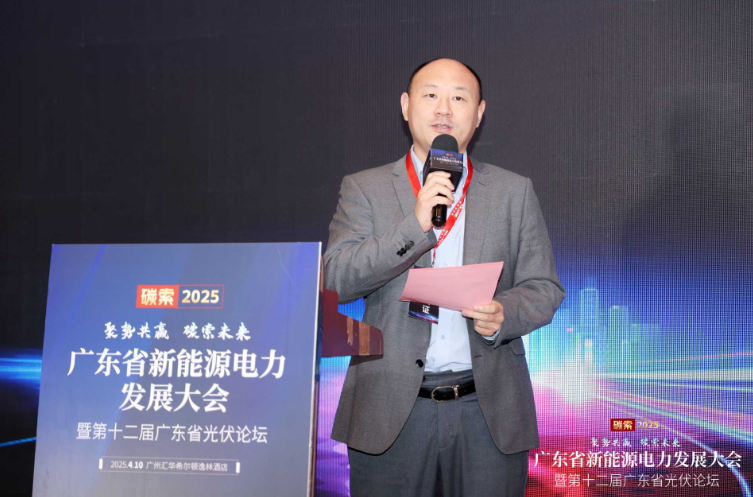
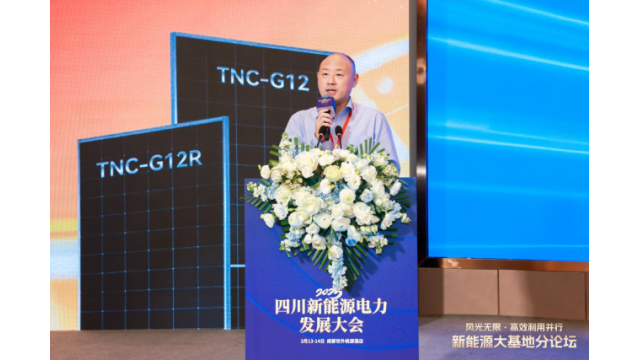
Between 2015 and 2022, many ordinary people began with one rooftop, one installation crew or one local distribution route and built solar businesses of their own. Today I see similar beginnings across Asia, Africa and Latin America.
A home solar-storage system can lower a bill and keep lights, refrigeration and communications running through an outage. Stable clean power at a factory brings electricity cost, carbon and production risk into one decision. Affordable distributed energy at national scale can turn sunlight into industry, employment and a wider distribution of opportunity.
Over twenty-one years, I have seen sound technology held back by the wrong business model, and ordinary people change their lives by choosing the right product and building good service. I gradually formed a way of reading the industry: use physics to judge technical direction, lifetime value to judge products, choices under pressure to frame better company questions, and real loads to judge whether electricity can support reliable income or productive value.
My work is to align Chinese products, companies and experience with local electricity needs, delivery conditions and operating ability, one item at a time. Cooperation can begin with one real need.
Solar cannot be understood through one efficiency figure, one quotation or one capacity chart. I begin with five questions that connect technology, products, companies, cycles and applications in one causal chain.
When capacity and participants grow too quickly, an industry can keep expanding in volume while losing profit, innovation and quality improvement.
When every company seeks security through expansion and integration, the collective result can be a more destructive price war.
The first twenty years asked whether solar could become cheaper. The next phase asks which new lives, products and forms of production a unit of clean power can enable.
Technology and financials show where a company is today. Choices a founder repeats under pressure often reveal earlier how the organisation will act tomorrow.
This is the question I returned to in my annual address: what changes when a place gains stable, affordable power? Energy is not the sole cause of social change, but it often determines whether a machine can work, production can take root and a remote region can retain more value.
Usable food expanded; division of labour and shared life could accumulate.
Cities expanded while industrial labour and capital organisation formed.
Global logistics, mass production and the reach of states were rewritten.
Assembly lines, business organisation, communications and urban life expanded and were reorganised.
Weak-grid and remote places can host new loads, allowing factory location, jobs and opportunity to be recalculated.
We then ask how production and daily life change, where value remains and which practical conditions still have to be solved.
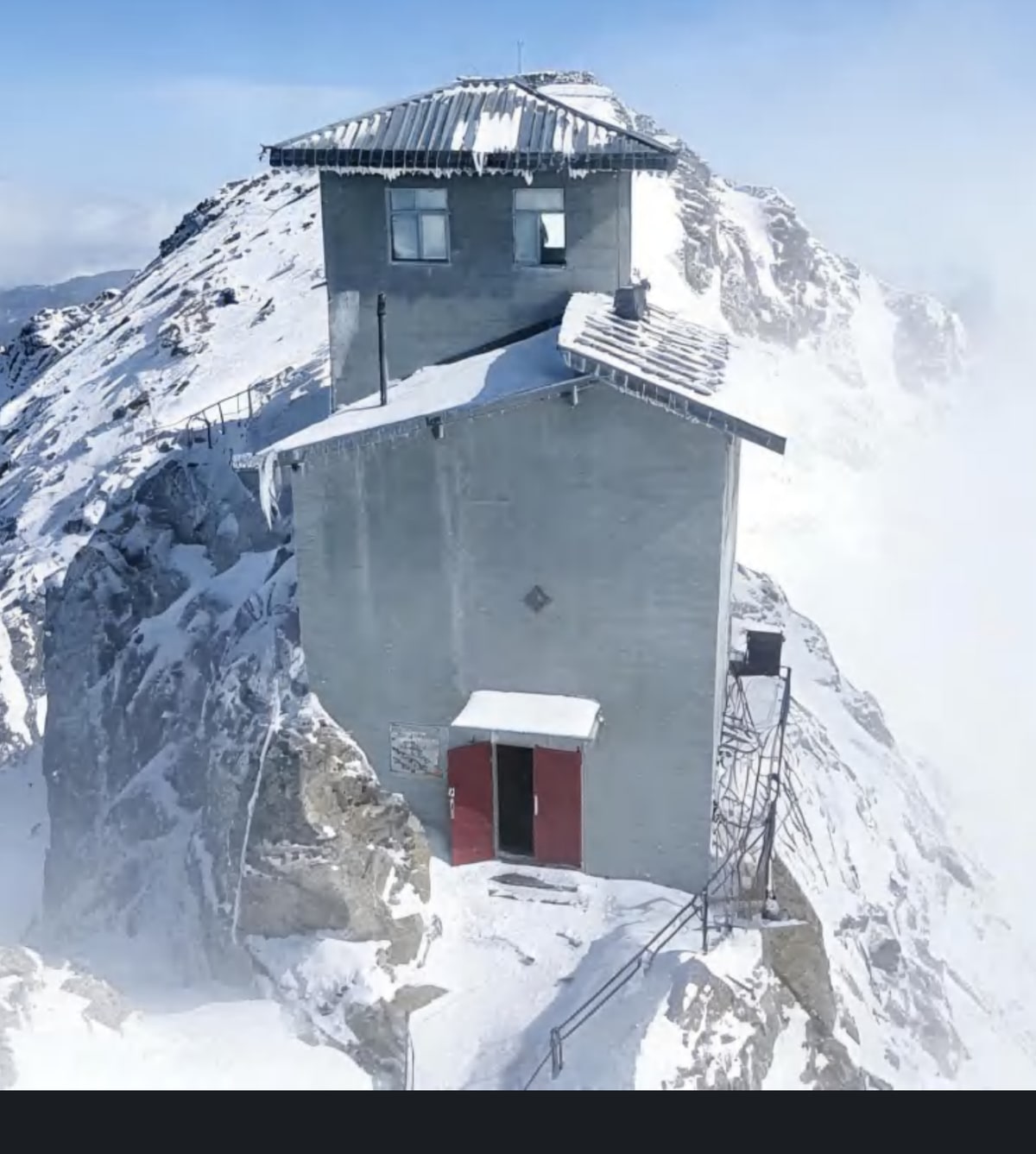
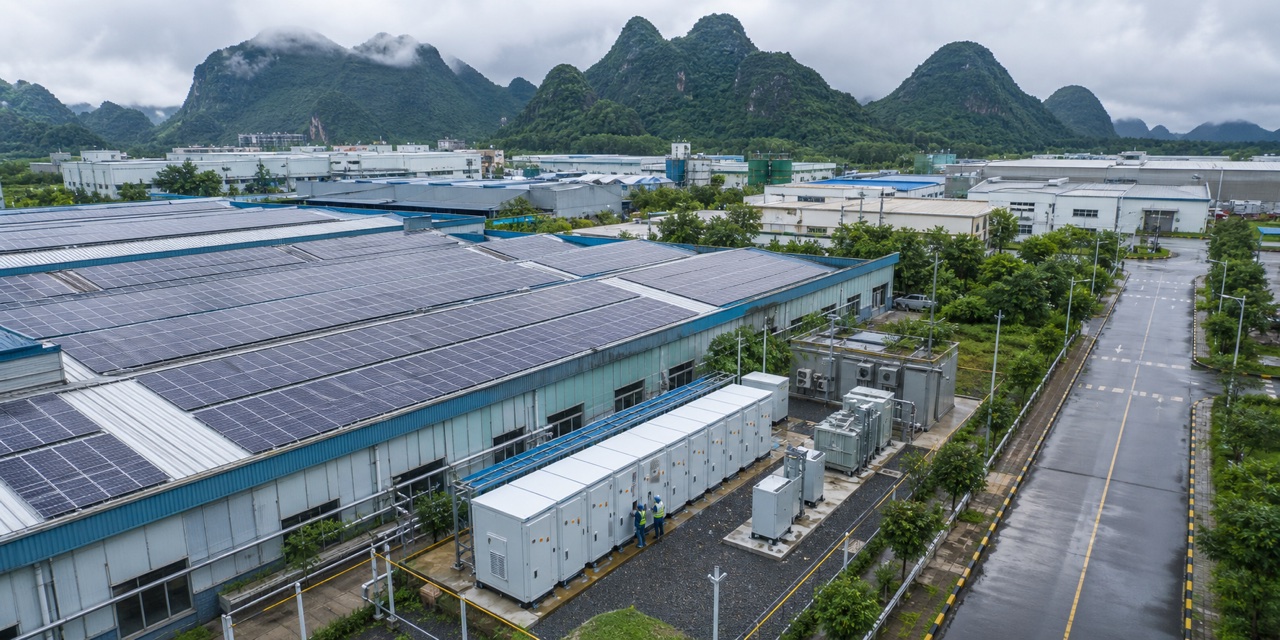
A solar-storage microgrid serving desalination, ice, cold rooms, shore power and electric transport may keep more fisheries value on the island instead of losing it through spoilage.
Mobile solar-storage can restore communications, clean water, lighting, medical equipment and command first, shortening the critical outage window before full-grid repair.
When power, communications and autonomous machines combine, places where people cannot remain may host inspection, construction, research and limited production.
When solar, storage, electric cooking, heat pumps and EVs coordinate, households move from passive bill payers to managers of flexible loads and grid participants.
These scenes explain possible energy uses and do not imply Solarbe participation in the pictured projects. Real deployment still depends on engineering, environmental, commercial and local operating conditions.
Nine representative entries retain the original article, what happened later and the label today.
This was not a component upgrade, but a joint change in system efficiency, BOS and material reliability.
1500V later became the mainstream utility-scale platform while materials and standards evolved around it.
Later validatedThe delay involved not only technology, but also development, ownership and innovation incentives.
Domestic adoption accelerated; incentives and project responsibility still affect whether better technology reaches a project.
Partly borne outThe size change would force manufacturers, equipment suppliers and alliances to reposition; I also said it would not become mainstream quickly.
The restructuring happened, but 182/210 displaced older formats much faster than I expected.
Direction right, pace wrongModule-level control would gain importance in residential safety and precision control.
Microinverters, optimisers and rapid shutdown continued to expand, with safety a major reason for adoption.
Later validatedVertical integration and anxiety over security would amplify an industry-wide price war.
The main value chain entered deep losses and low utilisation, bringing quality, cost discipline and capacity governance back to the center.
Later validatedA sole focus on LCOE would shrink application imagination; the next phase must connect power to more real loads.
Solar-storage, charging, cold-chain and microgrid use expanded, while engineering, finance and operations still constrain the pace.
Partly borne outI expected prices to fall but underestimated the speed and depth of the move below cost.
The actual decline was far greater, meaning my estimate of extreme price-war intensity was wrong.
Did not holdA framework for understanding collective company behaviour through vertical integration and a price arms race.
The framework explains part of the expansion and discounting, but cannot replace company-specific financial and strategic verification.
Framework retainedJudge routes through physical boundaries and system value, not a single efficiency figure.
Technology and markets are still evolving, so the route call cannot yet be written as a final winner.
Still observingTechnology and financial data show where a company stands today. A founder's choices through route disputes, expansion temptations, price wars and downturns often reveal earlier where the company is going. Reading long-term behaviour beside today's products, organisation and delivery provides clues about which customers, projects and cooperation pace may fit.
Only in meeting such a person do you know they exist.BY CAO YU
Shen Haoping treats technology as an industrial road that requires long preparation. Technical reserves, 210 mm, Industry 4.0 and management taking risk at the bottom of a cycle reflect the same choice: allowing the company to pay the time required for accumulation.
The value of such a company lies in technical depth and long investment. Cooperation depends on making process detail, intellectual property, collaboration and pace explicit.
Related reading: “The Wallfacer: Shen Haoping” and “Stories of Zhonghuan”If I could experience the life of one solar pioneer, I would choose Shi Zhengrong.BY CAO YU
From opening China's solar industry and advancing local equipment and materials to starting again with flexible modules after boom and collapse, Shi Zhengrong shows how an innovator can open an industry and still bear the cost of cycles and organisations.
His experience is a reminder that understanding a founder's technical direction is only the beginning; today's team, products and delivery capability still need to be examined afresh.
From monocrystalline silicon to BC, LONGi has accepted long periods of validation for a chosen route, testing its ability to endure a cycle.
Cao Renxian / Sungrow“Twenty-Five Years: From Long-Termism to New Long-Termism”From inverters to storage, Sungrow has repeatedly reorganised product capability into wider system capability.
Gao Jifan / Trinasolar“Moving with the Times”Around 210 mm, Trinasolar turned a technical route into alliances, capacity and scaled products, demonstrating organisational execution.
Zhu Gongshan / GCL“After a Thousand Sails, Youth Returns”From polysilicon to granular silicon, GCL has repeatedly moved early on a new route; industrial delivery remains the test after strategy.
Shawn Qu / Canadian Solar“You Can Always Trust Canadian Solar”Canadian Solar has built local teams and delivery systems across markets, making globalisation an operating practice rather than a slogan.
Twenty-one years of industry records, company observation and access to China's supply chain can help form a stronger shortlist, expose gaps earlier and organise a practical next step.
Country, application, scale, timing and the hardest unresolved question matter more than a generic catalogue.
Put datasheets, certificates, warranty, historic behaviour and technology direction together to separate promotion, capability and responsibility.
Bring the buyer, relevant Chinese product team and local delivery party around one project brief with named next steps and owners.
We will first organise it into a clear project brief, then determine whether it needs product comparison, Chinese supply-chain support, a local delivery team, market research or a deeper discussion.
This page draws on Cao Yu's public columns, speeches, forum records and original manuscripts. Judgment records are presented as the public statement at the time, later industry facts and the current label; future calls do not count as validated results. Work for the China Energy Research Society committee and the National PV Equipment Engineering Technology Research Center secretariat is managed separately from Solarbe Global's commercial services. These roles do not constitute product certification, supplier endorsement or transaction guarantee. Nothing here guarantees an investment, engineering, legal or procurement outcome.