Read value, load and local response
Country, site, operating hours, capacity, budget and top concern come first, so quotes can start from the same facts.
A cold room needs temperature zones and loading hours. A solar pump needs head, flow and irrigation season. A clinic needs a list of devices that need steady power. Solar Futures turns site, load, product package, buyer and local service facts into a one-page brief for RFQ and first meetings.
For markets, ports, cooperatives and processing sites that need PV, BESS, refrigeration and service teams on one brief.
Describe a cold-chain projectIrrigationPumps start with head, flow and irrigation seasonFor farms, cooperatives and water-service teams working with solar pumps, controllers, tanks and local inspection.
Describe pump sceneReliable powerClinics and schools start with critical devicesFor facilities that need steady power for refrigeration, lighting, communication, medical equipment and basic monitoring.
Describe facility needLocal serviceService teams start with city coverage and product skillsInstallation, commissioning, inspection, training, spare parts and fault response should be described with cities, products and team photos.
Describe service coverageCold rooms care about temperature and product loss. Pumps care about head and season. Clinics care about critical devices. Once the load is clear, PV modules, BESS, PCS, inverters, pumps, refrigeration and local service can sit in one sourcing package.
For cooperatives, farms, markets, processing sites and fleet charging projects.
Describe productive power02 · Institutional reliable powerFor facilities with a site owner, daily operator and budget source.
Describe facility powerLocal service roleFor installers, distributors and service teams with city coverage and project experience.
Describe service coverageProduct and partner pathFor suppliers, EPCs, distributors, institutions and local service teams preparing the same meeting.
Prepare partner meetingBuyers read value, load and local response. Suppliers read product line and documents. Local partners read cities, team coverage and service photos. Solar Futures puts those facts into one meeting brief so the first conversation can focus on product, load and service.
Country, site, operating hours, capacity, budget and top concern come first, so quotes can start from the same facts.
PV modules, BESS, PCS, pumps, refrigeration and chargers need matching datasheets, certificates, warranty terms and project images.
Installation, inspection, training, spare parts and fault response should be shown with city coverage, team notes and site photos.
News becomes more useful when it lands on cold rooms, pumps, BESS, PCS, market lighting and local service.
An application scene enters a sourcing conversation through concrete facts: temperature zone, pump head, critical load, BESS capacity, service city and response plan. Solar Futures packages those facts into an RFQ note for buyers, suppliers and local partners.
For ports, wholesale markets, cooperatives and processing sites that need pre-cooling, storage and sorting power.
For farms, cooperatives and water-service teams replacing diesel pumping with solar pumping packages.
For clinics, schools, market service centers and public facilities that need steady power for critical devices.
Submit country, site, load, product idea and local service facts. Buyers, suppliers and local partners can then discuss the same map.
Each scene has a visible load, product package, customer type, operation model and local service need. They can support articles, short videos, buyer conversations and partner meetings.
Write temperature zone, volume, loading hours, daily power, refrigeration equipment and backup time first.
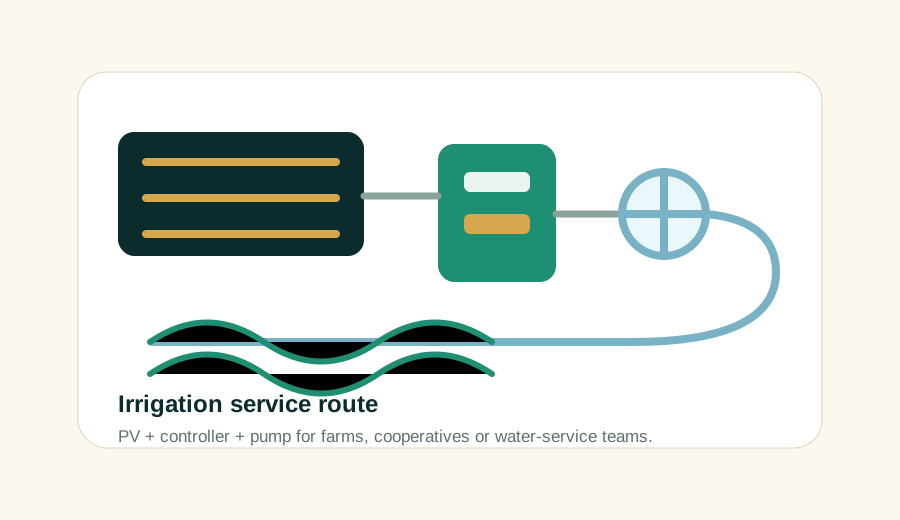
Write head, flow, water source, irrigation season, controller, water storage and local inspection first.
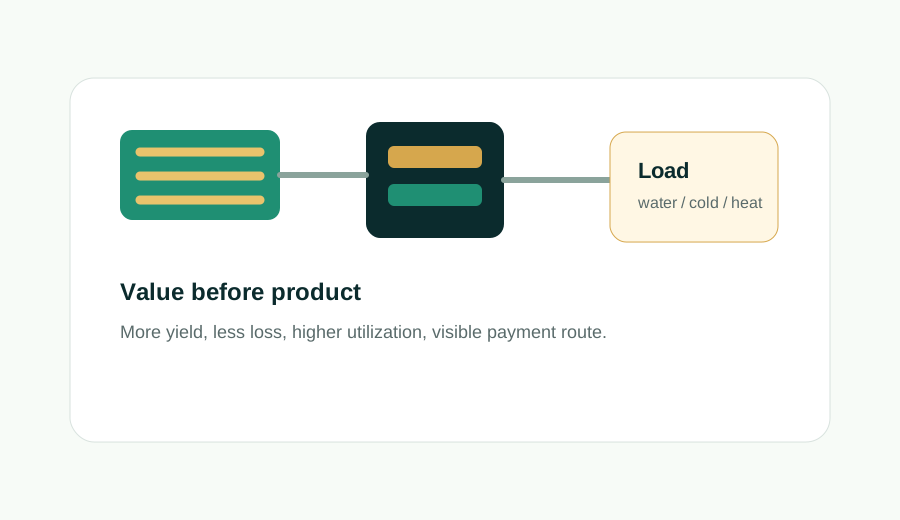
Write season, load curve, output, buyer, drying equipment and spare-parts supply first.
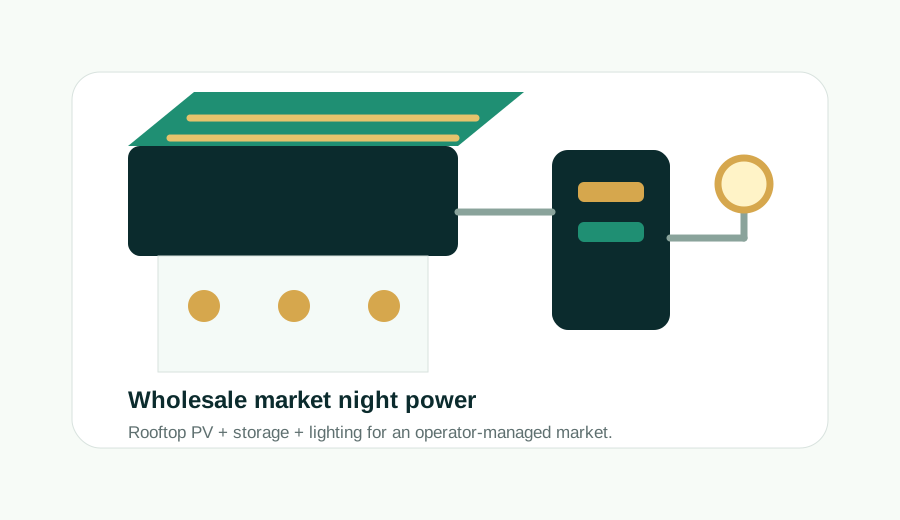
Write stall count, night business hours, lighting load, security load and charging model first.
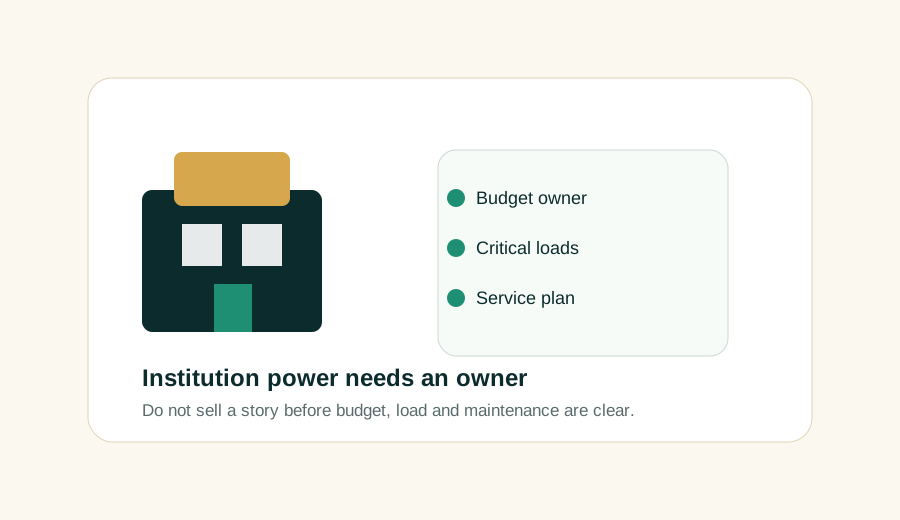
Write critical devices, backup hours, budget source, inverter and protection design first.
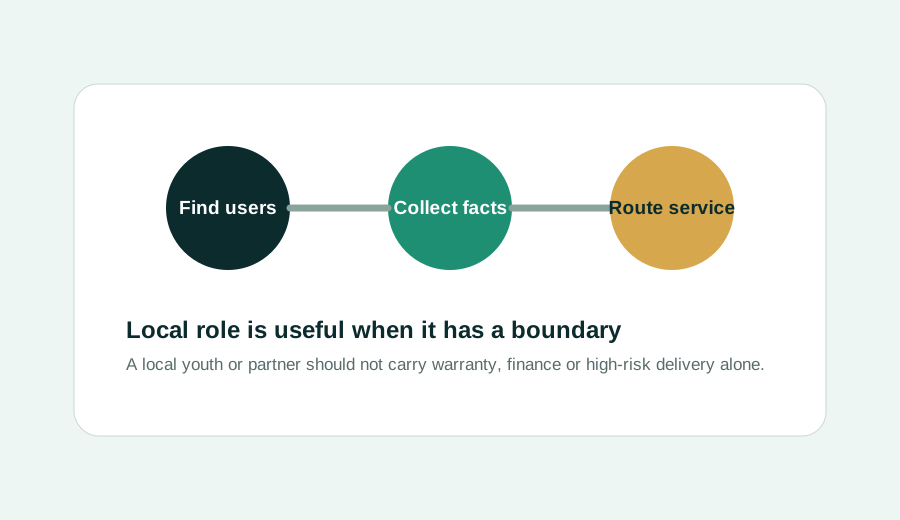
Write country, city, team, product category, service photos and public contact entry first.
One page carries the product package, operating facts, service coverage and meeting checklist. Buyers can add RFQ facts, suppliers can prepare product lines, and local partners can show service coverage.
Share country, site, load, product idea and local service facts. Solarbe Global will turn them into a discussion note for buyers, suppliers or local partners.